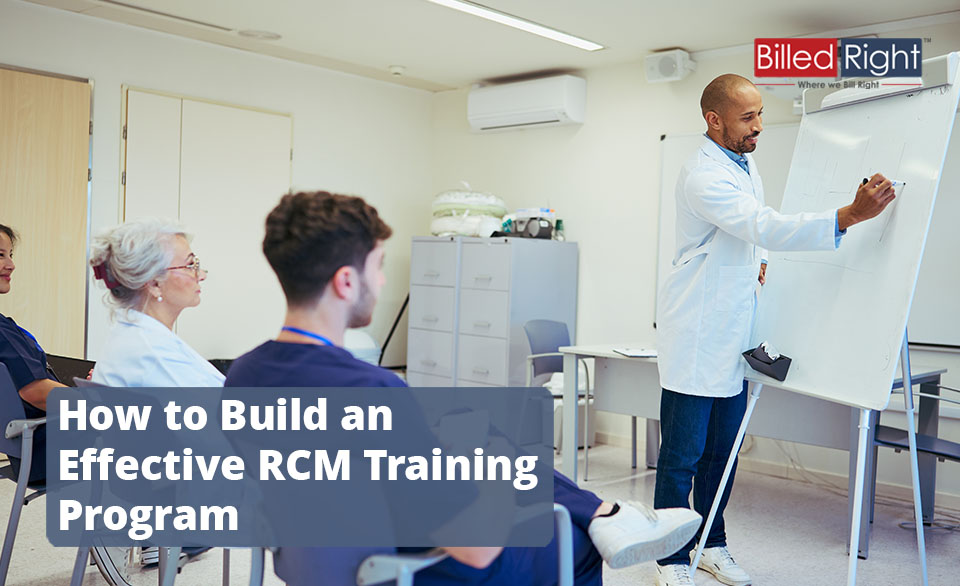
Understanding Revenue Cycle Management Training
Revenue Cycle Management training is essential in today’s healthcare environment. Effective training enhances your team’s knowledge and skills, leading to improved financial outcomes and patient satisfaction.
Importance of RCM Training in Healthcare
RCM training plays a critical role in ensuring that healthcare practices effectively manage their revenue streams. Given the complexities of medical billing, coding, and reimbursement processes, well-trained staff is crucial for optimizing revenue cycles.
Key advantages of RCM training include:
- Enhanced Accuracy in Billing: Training helps reduce errors in coding and billing, leading to fewer denied claims.
- Improved Compliance: Proper training ensures staff understands regulations and policies, minimizing compliance-related issues.
- Increased Efficiency: Well-trained personnel can streamline processes, reducing the time taken for claims processing and payment collection.
- Patient Satisfaction: Knowledgeable staff can better assist patients with billing inquiries, enhancing their overall experience.
Key Elements of an Effective RCM Training Program
An effective RCM training program should encompass several essential components to ensure comprehensive staff development. Below are the critical elements to consider while designing your training curriculum:
| Element | Description |
|---|---|
| Comprehensive Curriculum | Content should cover billing, coding, compliance, and patient management. |
| Hands-On Training | Utilize real-time examples and case studies to provide practical experience. |
| Ongoing Education | Incorporate continuous learning opportunities to keep up with industry changes and updates. |
| Mentorship Programs | Pairing new hires with experienced mentors can enhance learning and integration into the team. |
| Assessment and Feedback | Regular assessments should be conducted to evaluate knowledge retention and provide constructive feedback. |
Training should include specialized content, such as training for medical billing and coding, as well as focus on staff training for compliance management.
Incorporating these elements will not only help you in developing a comprehensive RCM training strategy but will also contribute to building a culture of continuous improvement and learning within your practice.
Designing Your RCM Training Program
Creating an effective Revenue Cycle Management (RCM) training program requires careful planning and execution. This involves assessing training needs, developing comprehensive training modules, and implementing effective training strategies tailored to your healthcare environment.
Assessing Training Needs
Before developing your training program, assess the specific needs of your staff. This involves identifying gaps in knowledge and skills that could hinder revenue cycle efficiency. Conducting surveys and interviews with team members can help you understand their challenges.
Consider utilizing the following assessment methods:
| Method | Description |
|---|---|
| Surveys | Distribute questionnaires to gather feedback on current skills and knowledge. |
| Interviews | Conduct one-on-one discussions to explore specific training needs. |
| Observations | Observe daily operations to identify areas of improvement. |
| Performance Reviews | Analyze past performance metrics to determine skill gaps. |
Once you have gathered this information, prioritize the areas that require immediate attention and tailor your training objectives accordingly.
Developing Training Modules
With a clear understanding of training needs, you can begin developing targeted training modules. Each module should focus on critical aspects of RCM, such as billing practices, coding accuracy, and denial management.
When creating these modules, consider the following elements:
| Module Title | Key Topics |
|---|---|
| Introduction to RCM | Overview of the revenue cycle, roles, and responsibilities |
| Medical Coding Essentials | Basics of coding systems, common coding errors |
| Effective Billing Practices | Claim submission, payment posting, collections |
| Denial Management | Techniques for handling denials, appeals process |
| Compliance in RCM | Regulatory requirements, ethical billing practices |
Incorporate various learning methods within each module, such as lectures, hands-on practice, and group discussions.
Implementing Training Strategies
Once your modules are developed, it’s time to implement the training strategies. This can include scheduling training sessions, assigning facilitators, and providing necessary resources. Effective training strategies may involve:
| Strategy | Description |
|---|---|
| On-the-Job Training | Pairing less experienced staff with seasoned professionals for hands-on experience. |
| Workshops and Seminars | Hosting interactive sessions to cover specialized topics. |
| E-Learning Modules | Offering online courses for flexible learning at the staff’s convenience. |
| Mentorship Programs | Establishing mentorship pairs to provide ongoing support and guidance. |
Regular evaluation of your training program is essential. Use metrics to assess the effectiveness of the training, and consider feedback from participants to make continuous improvements.
By systematically assessing needs, developing relevant modules, and implementing effective strategies, you can build a robust RCM training program that empowers your staff and enhances overall revenue cycle performance.